Source Pine Wood Air Hockey Table for Stadiums, Schools, Homes
Compare 26 pine wood air hockey table options from verified Chinese manufacturers. Buyers can evaluate specifications, pricing, and customization features for indoor and outdoor entertainment venues. These units support various applications including stadiums, schools, and homes while offering diverse material choices like MDF with PVC or plastic components.
Key considerations
Products List


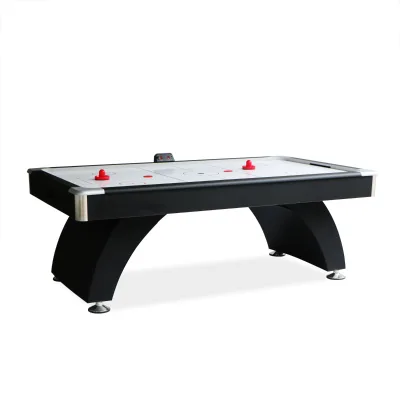


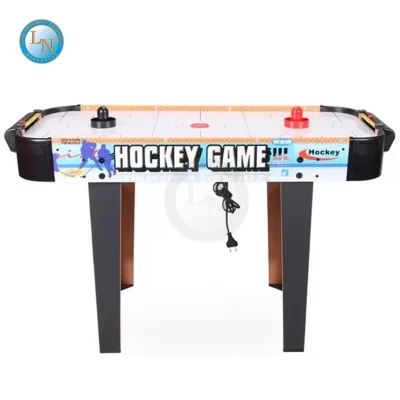


Comprehensive Sourcing Guide
Pine Wood Air Hockey Table Sourcing Guide
Procurement teams often seek pine wood air hockey tables for their balance of structural integrity and cost-effectiveness, though the supplied data indicates a broader range of materials including MDF with PVC and plastic. Buyers must verify if the specific listing offers a solid wood surface or a composite alternative, as the core keyword suggests a material preference that may not align with all available models like the ZLB-AH05 or RT-V19. Understanding the distinction between the requested pine construction and the observed plastic or aluminum alloy components is critical for matching the product to the intended venue.
The observed product range includes units designed for both indoor and outdoor environments, suggesting that material durability varies significantly across listings. While pine is traditionally an indoor material, some suppliers may treat wood composites for outdoor resilience, or the keyword may refer to the aesthetic finish rather than the core structural composition. Buyers should scrutinize the "Main Material" field to confirm if the table meets the specific durability requirements of high-traffic areas like stadiums, schools, or hotels, rather than assuming all listed units share the same wood-based construction.
Product Scope and Observed Listing Signals
The market presents a diverse array of air hockey tables ranging from compact 25-inch models to large-scale 1100x1100x750 cm commercial units, each serving distinct operational needs. Listings indicate specific applications such as table hockey, entertainment games, and stadium installations, requiring buyers to align the physical footprint with their available space. The presence of models like ZLB-AH04 and ZLB-AH07 suggests that standard dimensions like 6ft, 7ft, or 84 inches are common benchmarks, yet custom sizes are also available to fit unique venue layouts.
Customization options are explicitly available, allowing buyers to tailor features like the playboard thickness or the hockey stick material to specific operational demands. The data shows that playboards can be 15mm thick, and sticks may be constructed from aluminum alloy, which impacts the speed and control of the game. Procurement teams should evaluate whether the "Electronic" feature and specific voltage requirements, such as 380W, are necessary for their specific use case, as not all units in the observed range may include powered components or lighting systems.
Technical Specifications to Verify
Buyers must rigorously verify the dimensional standards of the table, as observed listings cite varying measurements from 60x30x30 inches to 1100x1100x750 centimeters. The capacity of the table is another critical specification, with some units designed for two players while others accommodate four, directly influencing the throughput and revenue potential in a commercial setting. Confirming the exact weight, which can reach 100kg for larger models, is essential for logistics planning and ensuring the floor can support the static load of the equipment.
Material composition requires close attention, as the supply chain offers options ranging from MDF with PVC to pure plastic and aluminum alloy sticks. The "Hockey Mask Function" for facial protection and the "Aged" suitability for children over three years old indicate that safety and age-appropriateness are key technical differentiators. Procurement teams should cross-reference the "Standard" field, which lists specific dimensions like 72x36x32 inches, against the physical requirements of their venue to ensure the table fits the intended space without modification.
Compliance and Safety Documentation
Safety compliance is paramount, particularly for units intended for children or high-traffic public venues like schools and hotels. The observed "Hockey Mask Function" suggests that some models include specific safety features to prevent facial injuries, which should be verified against local safety regulations for recreational equipment. Buyers should request documentation confirming that the materials used, such as the plastic or aluminum alloy components, meet relevant flammability and toxicity standards for indoor and outdoor play areas.
Packaging standards also play a role in compliance, as the data indicates options ranging from plain cardboard to foam and stretch film within crates. Proper packaging ensures that the table arrives without damage, which is crucial for maintaining the structural integrity of the playboard and the alignment of the electronic components. Procurement teams must ensure that the supplier provides clear instructions on assembly and maintenance to prevent user injury, especially given the varying age groups from children to adults that these tables serve.
Cost Drivers and Commercial Terms
The price range observed in the market spans from $5.68 to $4000, reflecting the vast difference between small tabletop units and large commercial installations. This variance is driven by factors such as the material quality, the inclusion of electronic features, and the overall size of the unit. Buyers should analyze the cost per player capacity and the durability of the materials to determine the true value proposition, rather than focusing solely on the initial purchase price.
Minimum Order Quantities (MOQ) vary significantly, with observed ranges from 1 to 500 units, allowing flexibility for both single-unit purchases and large-scale deployments. The "20gp Load" capacity of 20 units for a standard container is a key logistical metric that affects shipping costs and inventory planning. Procurement teams should negotiate based on the total landed cost, considering that larger orders may reduce the per-unit shipping expense while smaller orders might incur higher freight rates relative to the product value.
Supplier Qualification and Quality Control
Supplier qualification should focus on their ability to provide OEM/ODM services, as the data confirms that customization is available for many models. Buyers should verify the supplier's origin, noting that many products originate from Guangdong or Guangzhou, China, which are known manufacturing hubs for recreational equipment. Assessing the supplier's track record in delivering units with specific standards, such as the 6ft or 7ft dimensions, ensures they can meet the precise requirements of the buyer's project.
Quality control processes must be established to verify the consistency of the playboard thickness and the durability of the hockey sticks. The observed "Main Material" of MDF with PVC or plastic suggests that surface finish and resistance to wear are critical quality indicators. Buyers should request samples or third-party test results to confirm that the electronic components function correctly and that the structural integrity of the table can withstand the intended usage frequency in stadiums or hotels.
Long-Term Procurement Checks
Long-term procurement success depends on the availability of spare parts and the durability of the components under continuous use. The "Hockey Stick Material" of aluminum alloy and the "Playboard" thickness of 15mm are key indicators of longevity, but buyers must ensure that replacement parts are readily available from the supplier. Establishing a relationship with a supplier who offers ongoing support for maintenance and repairs is essential for minimizing downtime in commercial environments.
The "Usage" classification of indoor and outdoor requires that the supplier provides clear guidance on the environmental limits of the product. Buyers should monitor the performance of the table over time, checking for wear on the surface and the reliability of the electronic features. Regular audits of the supplier's production capabilities and quality assurance processes will help maintain the high standards required for entertainment venues, ensuring that the investment remains viable for years to come.
FAQs
What materials are used for the air hockey table playboard?
The playboard is constructed from 15mm thick material, typically MDF with a PVC surface finish. This combination ensures a smooth, durable surface for fast puck movement. The main body often utilizes plastic or aluminum alloy components for the sticks, providing a balance of weight and resilience for both indoor and outdoor entertainment settings.
Can the air hockey table be customized for specific venues?
Yes, customization is available for various applications including stadiums, schools, hotels, and homes. Buyers can request specific dimensions, such as 6ft or 7ft standards, or custom sizes like 1100x1100x750 cm. OEM and ODM services are supported to tailor the electronic features and structural design to specific commercial or residential requirements.
What are the standard packaging methods for shipping these tables?
Packaging varies by model but typically includes plain cardboard boxes with half-cut designs or export cartons. For larger units, foam and stretch films combined with wooden crates are used to ensure safety during transit. Each unit is usually packed individually, such as 1PC per carton, to protect the electronic components and surface integrity.
What is the typical capacity and player configuration for these tables?
Most models are designed for 2 players, featuring a standard dual-stick configuration. Some larger or specialized units may support up to 4 players. The tables are suitable for children over 3 years old and adults, offering versatile entertainment options for indoor places like arcades, homes, or commercial venues with sufficient floor space.
Where are these air hockey tables manufactured and shipped from?
These tables are manufactured in Guangdong, China, with specific origins noted in Guangzhou. The products are exported globally, with loading capacities such as 20 units per 20-foot container. Buyers can expect consistent production standards and reliable logistics support from this major manufacturing hub in China for both domestic and international orders.
What specifications are available for the electronic air hockey tables?
Electronic models feature specifications like 380W voltage and weights around 100kg. Dimensions vary, with common sizes including 1100x1100x750 cm or 128x225x170 cm. These tables often include electronic scoring systems and are built with durable materials like aluminum alloy sticks and plastic bodies to withstand high-frequency use in commercial entertainment environments.